The Future of Charging: Wireless and Ultra-Fast Solutions
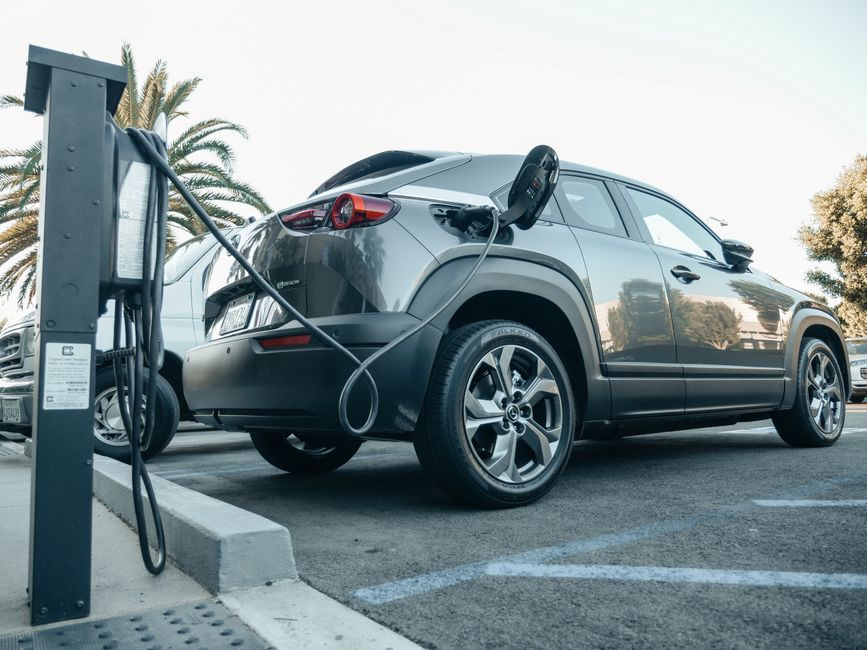
The electric vehicle (EV) market continues to expand, and with it, the demand for more convenient and faster charging solutions. While traditional plug-in chargers remain the standard, two emerging technologies are poised to redefine expectations: wireless charging pads and ultra-fast chargers capable of delivering 350 kW or more. These innovations address common pain points, such as charging time and ease of use, but they also introduce new technical and practical considerations.
As automakers and energy providers collaborate to build a more robust charging ecosystem, understanding the intricacies of these systems becomes essential. This article examines the principles behind wireless and ultra-fast charging, their potential impact on EV adoption, and the trends that could shape their development. By analyzing the technology from a neutral perspective, we aim to provide a comprehensive overview of what the future holds for EV charging.
Understanding Wireless Charging Technology
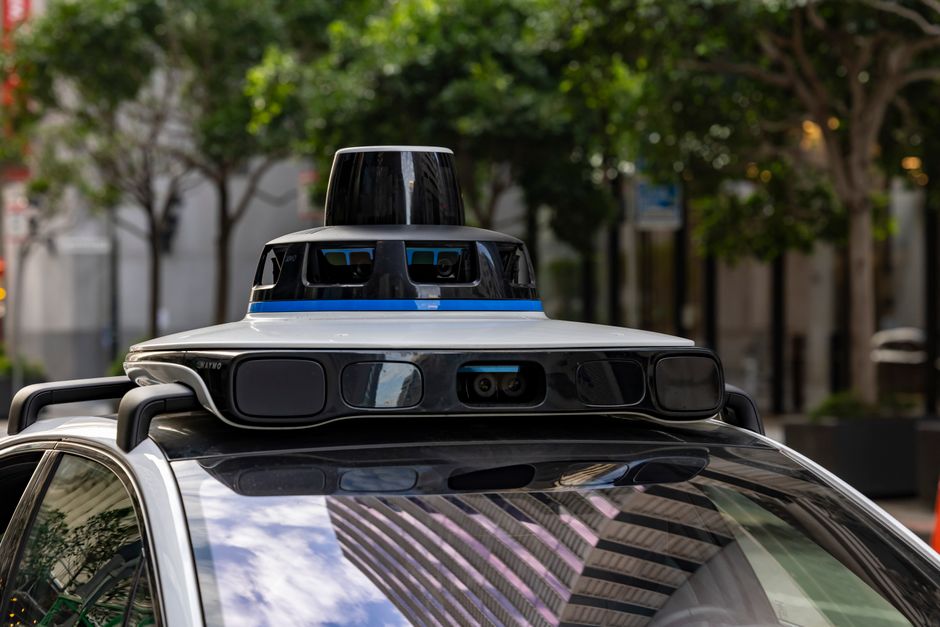
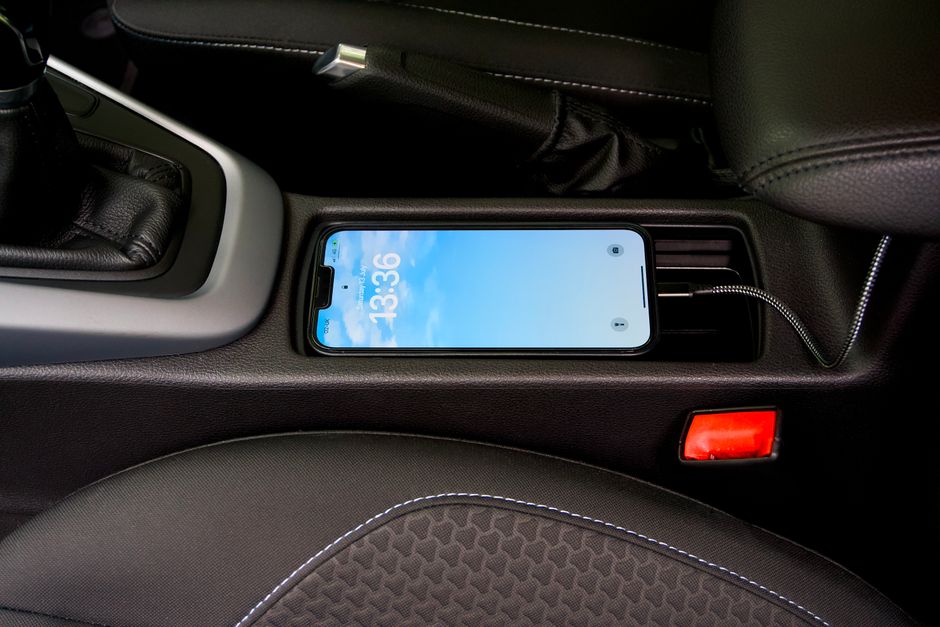
Wireless charging, also known as inductive charging, relies on electromagnetic fields to transfer energy between two coils: one embedded in the ground and another fitted to the underside of the vehicle. When the vehicle is aligned over the ground pad, an alternating current passes through the primary coil, creating a magnetic field that induces a voltage in the secondary coil, which then charges the battery. This process eliminates the need for physical cables and connectors, offering a level of convenience that is particurarly valued in scenarios like fleet operations and autonomous vehicles.
Recent developments have focused on improving efficiency and ease of alignment. Automatic alignment systems, for instance, use cameras or sensors to guide the driver into the optimal position, reducing the margin for error. Some installations even incorporate adaptive tuning, which adjusts the frequency to maintain high efficiency despite variations in distance or component tolerances.
However, wireless charging is not without its trade-offs. Current systems typically deliver lower power levels compared to wired fast chargers, with common ratings ranging from 3.7 kW to 11 kW, although prototypes have demonstrated higher outputs. Efficiency also tends to be slightly lower than conduction charging due to losses in the electromagnetic transfer. Moreover, standardization across different automakers remains an ongoing effort, which may affect interoperability.
Despite these challenges, wireless charging presents clear benefits for certain use cases. Public transportation, delivery fleets, and automated valet systems stand to gain from the reduced mechanical wear and tear, as well as the simplification of the user experience. As the technology matures, it may become a complimentary option alongside conventional charging, rather than a replacement.
The Rise of Ultra-Fast Chargers
Ultra-fast chargers, particularly those rated at 350 kW, are designed to drastically reduce charging times. A vehicle equipped to handle such power can potentially add hundreds of kilometers of range in under 15 minutes, approaching the refueling speed of conventional vehicles. This capability relies on higher voltage architectures, typically 800 volts or more, as well as advanced battery cooling systems and robust grid connections.
Deploying ultra-fast chargers involves significant infrastructure investments. High-power charging stations require substantial electrical capacity, which may necessitate upgrades to local grids. Battery storage systems on site can help mitigate peak demand, while dynamic load management can optimize power distribution among multiple stalls. To ensure safety and battery longevity, sophisticated thermal management and communication protocols between the vehicle and charger are essential.
Another consideration is the impact on battery health. Charging at high currents generates additional heat, which can accelerate degradation if not properly controlled. Manufacturers are addressing this through improved cell chemistry, advanced cooling systems, and software algorithms that modulate power delivery based on temperature and state of charge. While some level of degradation is inevitable, studies suggest that with proper management, the effect can be minimized, making ultra-fast charging a viable option for daily use.
From a user perspective, ultra-fast charging offers significant time savings on long journeys, reducing range anxiety. However, the actual charging speed a vehicle can achieve depends on its own capabilities; not all EVs are designed to accept 350 kW. Most currently max out at lower rates, which means the full benefit will only be realized as next-generation vehicles come to market.
Comparing Approaches: Wireless vs. Ultra-Fast
When evaluating wireless and ultra-fast charging, it is helpful to consider scenarios where each excels. Wireless charging is most effective in locations where convenience and minimal wear are priorities, such as home garages, taxi ranks, or bus depots. The ability to simply park and walk away reduces driver effort and eliminates cable handling. Ultra-fast charging, on the other hand, is geared towards long-distance travel and commercial fleets, where time is of the essence.
In terms of infrastructure, wireless pads are relatively compact and can be embedded in existing parking spaces, while ultra-fast stations resemble current filling stations and require extensive electrical work. The cost per station varies widely, with ultra-fast units being more expensive upfront but capable of serving more vehicles over time.
Another aspect is system compatibility. Wireless charging standards are still converging, with several regional protocols in development. Ultra-fast charging, while standardized around connectors like CCS (Combined Charging System) in many regions, still faces challenges with older vehicles that lack the necessary connectors or voltage support. Over time, universal standards are expected to emerge, but until then, consumers may encounter inconsistencies.
Ultimately, these technologies are not mutually exclusive. A comprehensive charging ecosystem will likely include both wireless pads for opportunistic top-ups and ultra-fast stations for extended journeys. The choice depends on individual driving patterns, vehicle type, and local infrastructure.
Integrating Solar Energy and Smart Grids
Both wireless and ultra-fast chargers can be seamlessly integrated with renewable energy sources and smart grid systems. Solar panels installed on charging station canopies can generate electricity during daylight hours, reducing reliance on the grid and lowering operational costs. The intermittent nature of solar power can be managed through energy storage systems, which accumulate excess generation and release it when demand is high.
Smart grid technology enables bidirectional communication between chargers, vehicles, and the grid, allowing for dynamic pricing based on real-time supply and demand. This facilitates vehicle-to-grid (V2G) applications, where EVs can return energy to the grid during peak periods, thus supporting grid stability. For wireless charging, this integration is straightforward since the ground pad can act as both a charger and a potential feed-in point.
Another promising trend is the concept of charging roads, where inductive coils embedded beneath the road surface can charge vehicles while they drive. Pilot projects in several countries have demonstrated the feasibility of dynamic wireless charging, which could extend range and reduce battery size requirements. While still in early stages, this technology has the potential to transform the EV experience, making charging an almost invisible process.
The Path Forward
Looking ahead, the development of charging infrastructure is characterized by continuous innovation and collaboration among automakers, utilities, and technology providers. Pilot projects are exploring extreme fast charging beyond 350 kW, as well as wireless systems with higher efficiency and greater alignment tolerance. These advances are likely to be accompanied by updated safety standards and more standardized interfaces.
For wireless charging, the focus is on increasing power transfer to match the capabilities of wired solutions, while reducing costs. For ultra-fast charging, the emphasis is on enhancing battery resilience to high current loads and improving the energy density of charging stations. Both paths contribute to the overarching goal of making EV ownership more convenient and practical.
In conclusion, the future of charging is likely to feature a variety of technologies tailored to different needs. Wireless charging will appeal to those who value ease and automation, while ultra-fast charging will serve those who prioritize speed. As these systems continue to evolve, they will collectively support the broader adoption of electric vehicles, contributing to a cleaner and more efficient transportation landscape.